
- Get all the toys together in a convenient area for cleaning.
- Remove any loose dirt, debris, or foreign particles from the toys. Gently shake or use a soft brush to dislodge them.
- Rinse the toys thoroughly with water, ensuring that all dirt and grime are washed away. For stubborn stains, lightly scrub the surface with a sponge or brush.
- Prepare a mixture of mild soap or detergent and water in a bucket. Use this solution to clean the toys, paying attention to hard-to-reach areas and corners. Alternatively, dishwashing liquid can be used for cleaning plastic toys.
- Rinse the toys again with clean water, making sure to remove any soap residue.
- If required, you may choose to disinfect the toys. Create a solution by combining water and a mild bleach or use a commercial disinfectant. Wipe down the toys with a cloth or sponge soaked in this solution, ensuring thorough coverage. Allow the disinfectant to sit for a recommended period, as stated on the product, and then rinse the toys well with water.
- After rinsing, allow the toys to dry completely. Air drying in a sunny location or using a clean towel are suitable options. Ensure the toys are completely dry before storing them to prevent any potential mold or mildew growth.
- Regularly inspect and clean the outdoor toys to maintain their safety and condition. Properly store them when not in use to protect them from the elements.
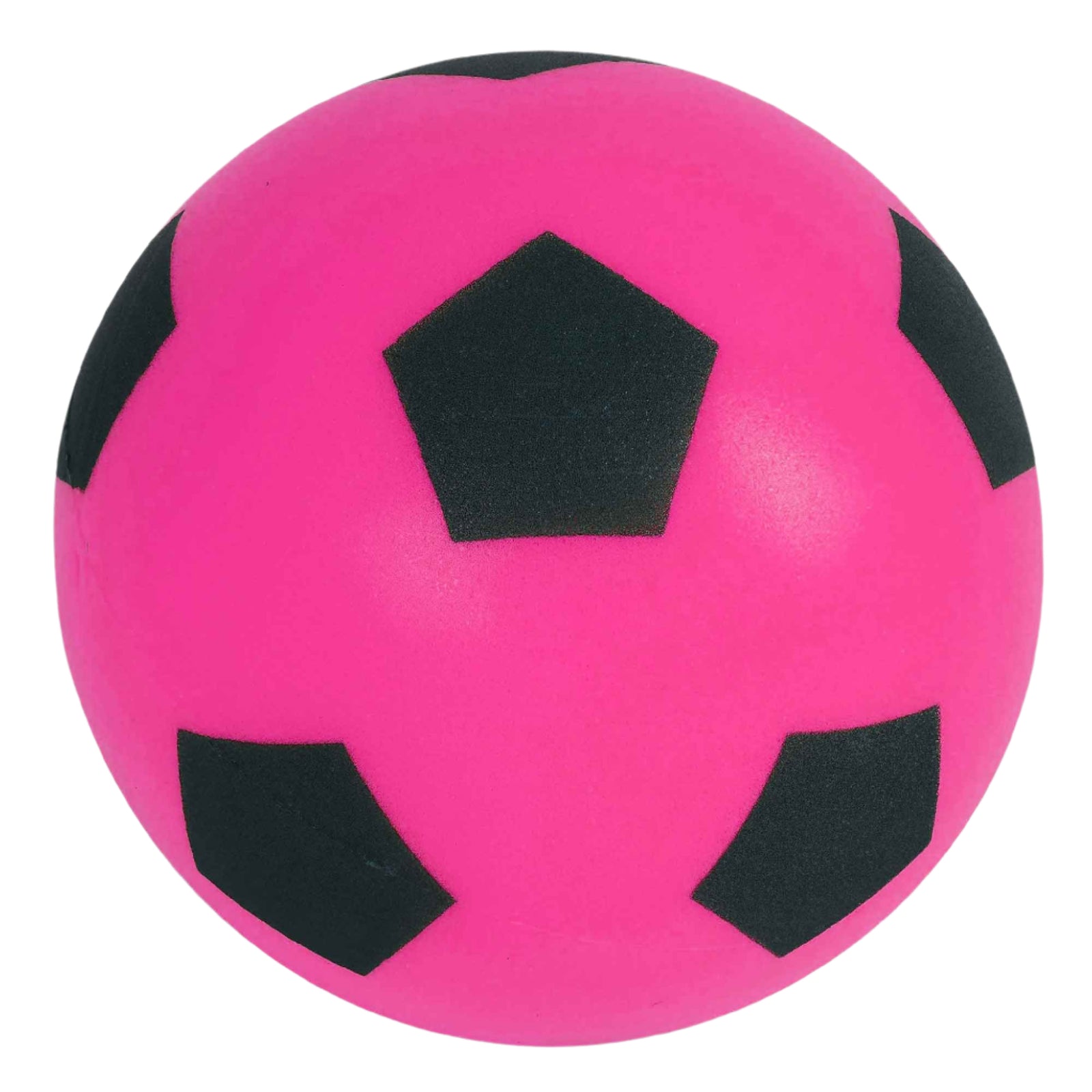
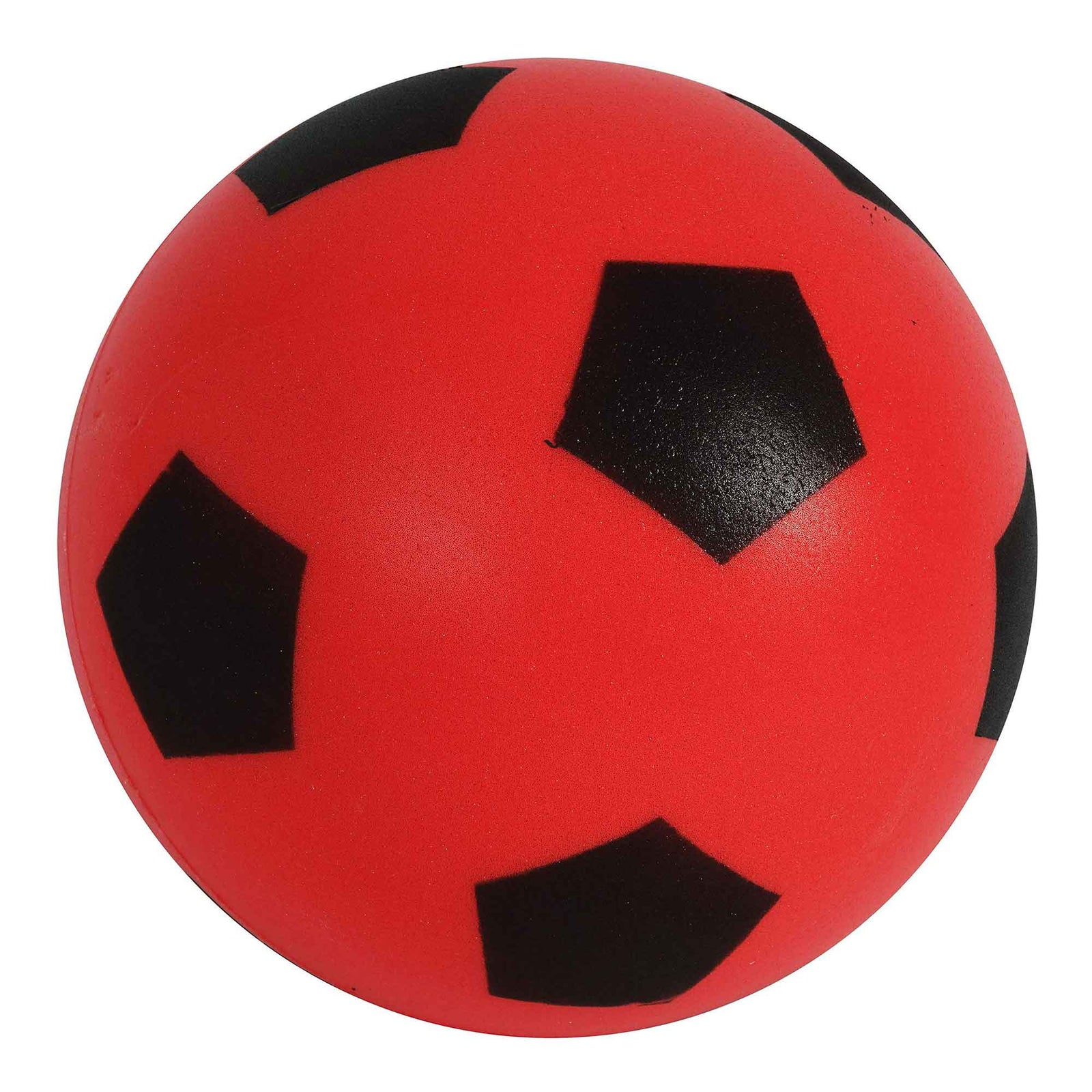
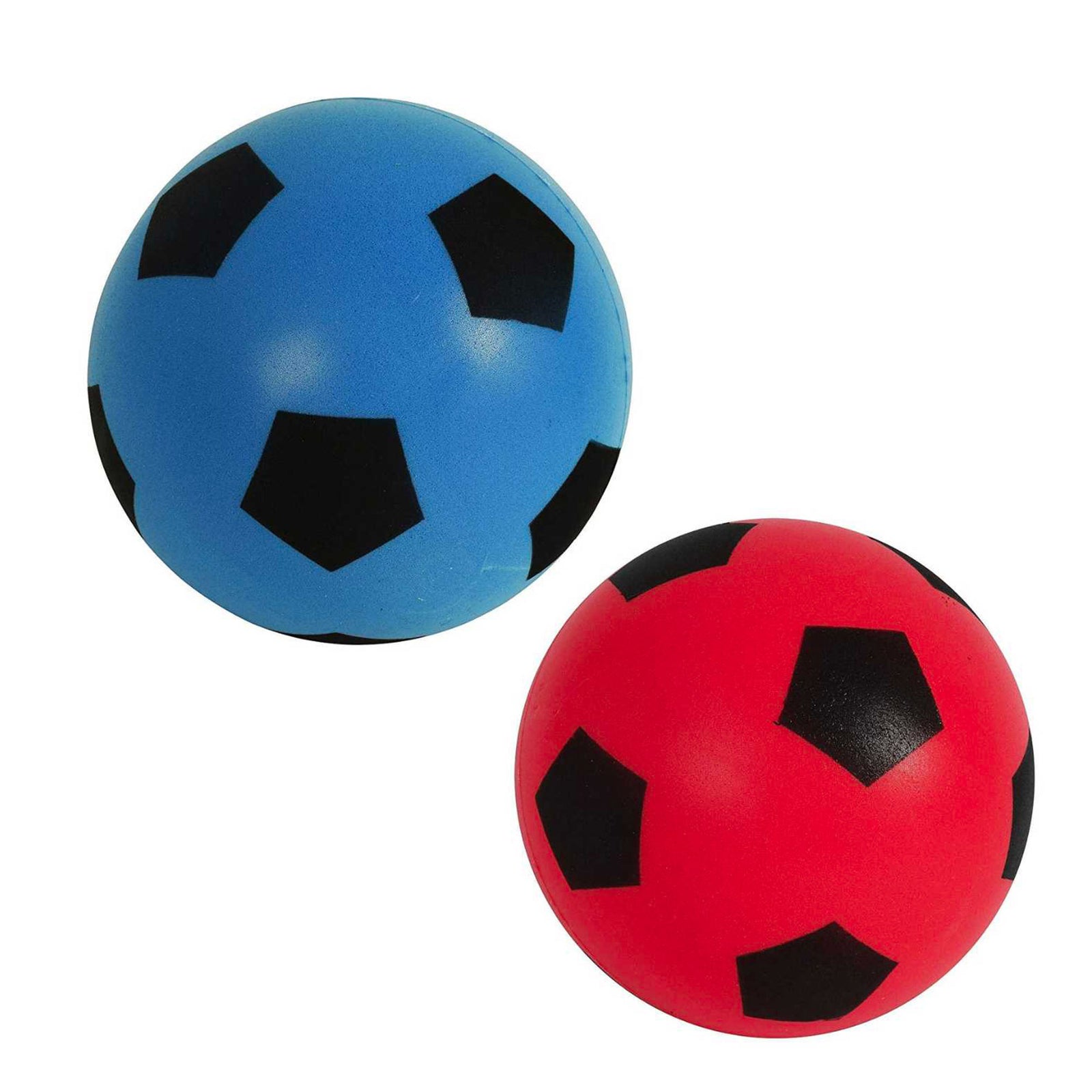
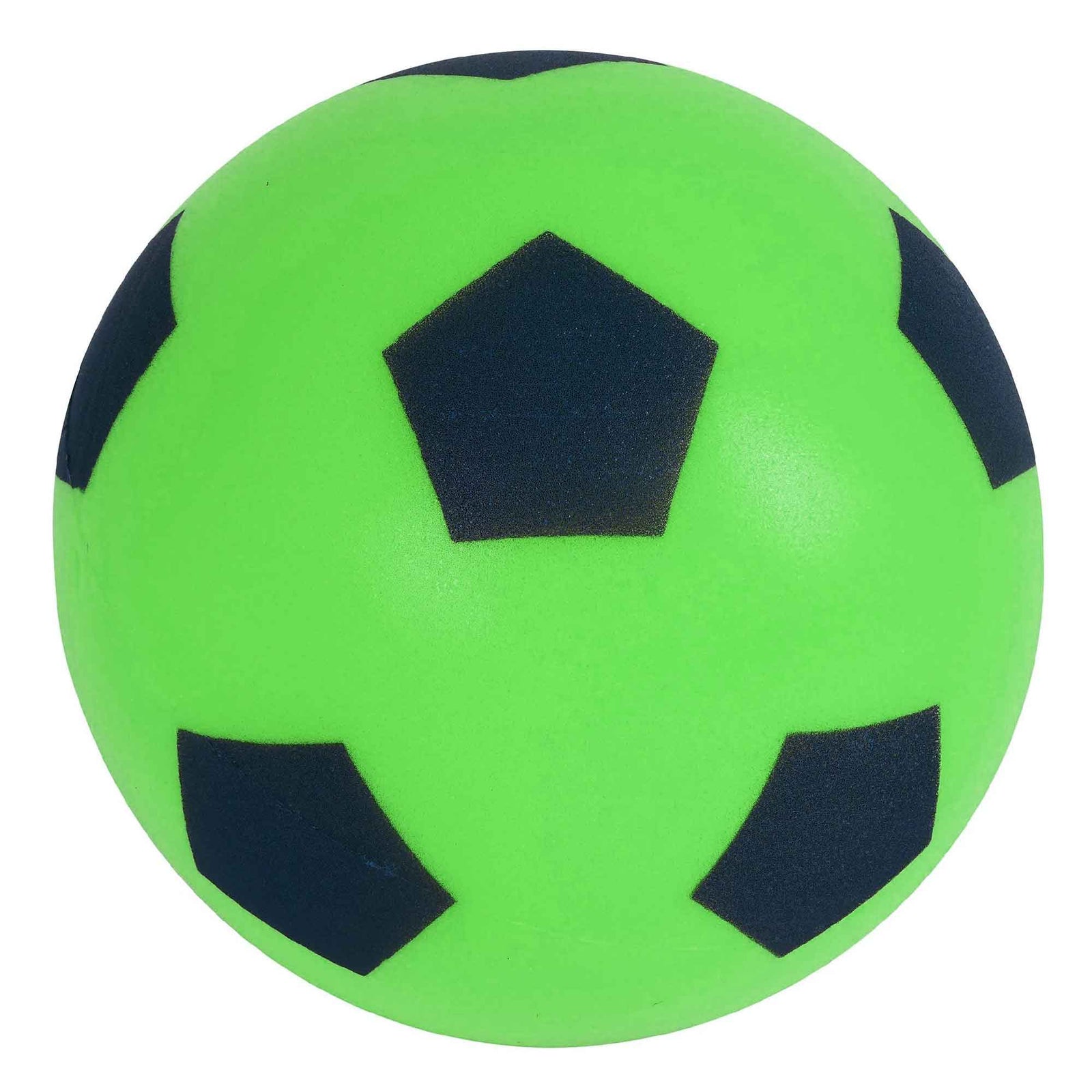
Footballs
Frequently Asked Questions
-
-
- Ensure the toys are clean and completely dry before storing them.
- Organise the toys by grouping them based on type, size, or material.
- Select appropriate storage containers that are sturdy, waterproof, and have secure lids.
- Use labels or markers to clearly identify the contents of each container.
- Optimise storage space by considering vertical storage options like hooks, nets, or racks.
- Find a dry, well-ventilated storage area that offers protection from extreme temperatures and sunlight.
- Prevent pests by using natural deterrents like cedar chips or lavender sachets, or safe pest control products.
- Arrange the containers neatly in the storage area, avoiding heavy items on delicate toys.
- Regularly inspect the stored toys for damage, mould, or pests, and take necessary action.
-
- Ride-on toys: Tricycles, balance bikes, and scooters designed for toddlers are excellent for developing motor skills and providing fun outdoor adventures.
- Sand and water play toys: Small buckets, shovels, and molds for building sandcastles, as well as water tables or splash pads, can provide hours of sensory play.
- Playhouses or tents: Miniature playhouses or pop-up tents create a cozy outdoor space for imaginative play and offer opportunities for pretend play.
- Balls: Soft, lightweight balls in various sizes are perfect for toddlers to kick, throw, or roll around, helping them develop coordination and gross motor skills.
- Climbing structures: Toddler-sized climbing structures with low steps, ramps, and slides provide safe exploration and physical activity.
- Nature exploration kits: Simple exploration kits containing magnifying glasses, bug catchers, or small binoculars encourage toddlers to discover and appreciate the natural world around them.
- Bubble toys: Bubble wands, bubble machines, or bubble blowers are captivating for toddlers as they chase and pop bubbles, promoting hand-eye coordination and outdoor play.
- Chalk and drawing boards: Large, washable chalkboards or chalk sets allow toddlers to express their creativity and practice their fine motor skills outdoors.
- Play kitchens or workbenches: Outdoor play kitchens or workbenches designed for toddlers offer imaginative play opportunities and can be set up in a shaded area.
- Garden tools: Child-sized gardening tools, such as shovels, rakes, and watering cans, encourage toddlers to explore nature, learn about plants, and engage in gardening activities.